- Many services can be found on the internet e.g.
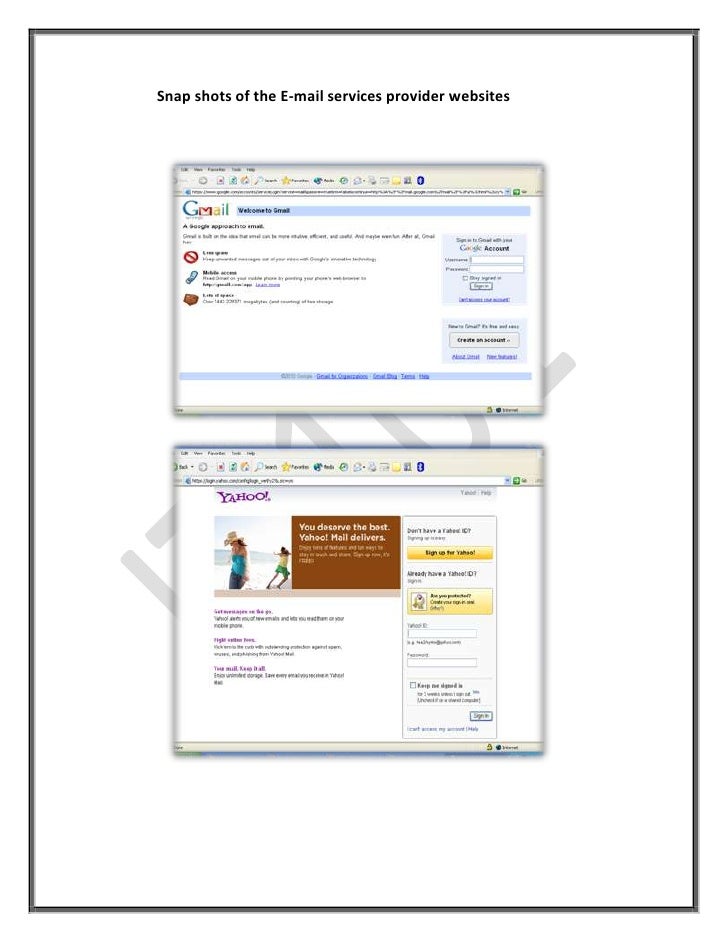
- Electronic Mail
- World Wide Web
- File Transfer Protocol (FTP)
- Chat Rooms
- Mailing List
- Instant Messaging
- Webpages
2.History of the internet

- ARPANET(Advanced Research Projects Agency Network)
- The Pentagon's goal for doing this was to allow scientists at different locations to share
- information.
- Became functional in September 1969
- Only made public in 1993
- Created by more than one person:
- Vannevar Bush
- J.C.R Licklider
- The programme manager of ARPANET :Larry Roberts.
- Robert Kahn
- Vinton Cerf
- Paul Baran
- Donald Davies
- Leonard Kleinrock.

3.The World Wide Web(WWW)
- A worldwide collection of electronic documents
- Each electronic document is called a webpage
- Can contain text, graphics, sound, video, and built-in connections
- A Web site is a collection of related Web pages

4. Web Browser
- Program that allows you to view Web pages

5. URL
- Uniform Resource Locator.
- It is a unique address for a Web page.

6. Link
- Built-in connection to another related Web page location
- Item found elsewhere on same Web page
- Web page at a different Web site
- Different Web page at same Web site
How
can you recognize links?
- Pointer changes to a small hand when you point to link
- A link can be text or an image
- Text links are usually underlined and in a different color

7. Subject Directory
- Search tool with organized set of topics and subtopics
- Lets you find information by clicking links rather than entering keywords

8. Hit
- Any Web site name that is listed as the result of a search
9. 9 basic types of websites on the internet
ØPortal
ØNews
ØInformational
ØBusiness/Marketing
ØEducational
ØEntertainment
ØAdvocacy
ØBlog
ØPersonal
ØBusiness/Marketing
ØEducational
ØEntertainment
ØAdvocacy
ØBlog
ØPersonal
10. Netiquette
- Code of acceptable behaviors users should follow while on the Internet
- Golden Rule: Treat others as
you would like them to treat you.

No comments:
Post a Comment